Pale Blue Earth, Big Red Moon: The Soviet Space Race

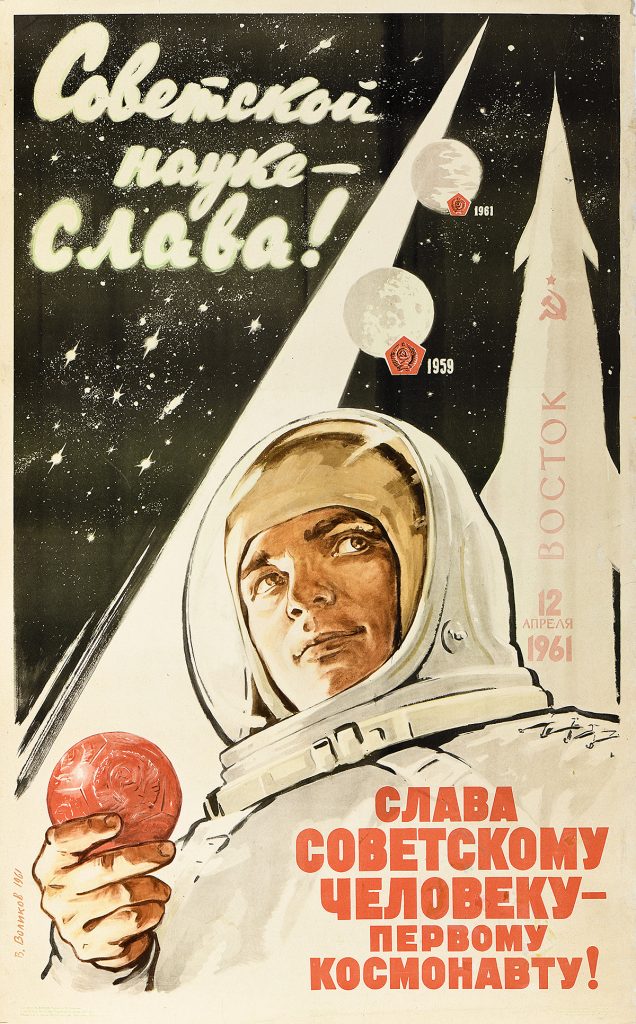
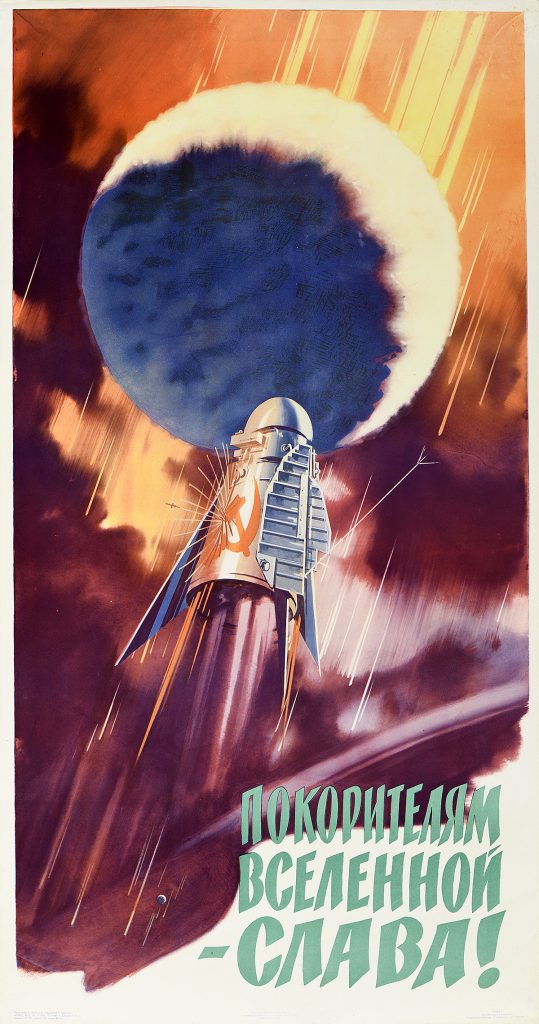
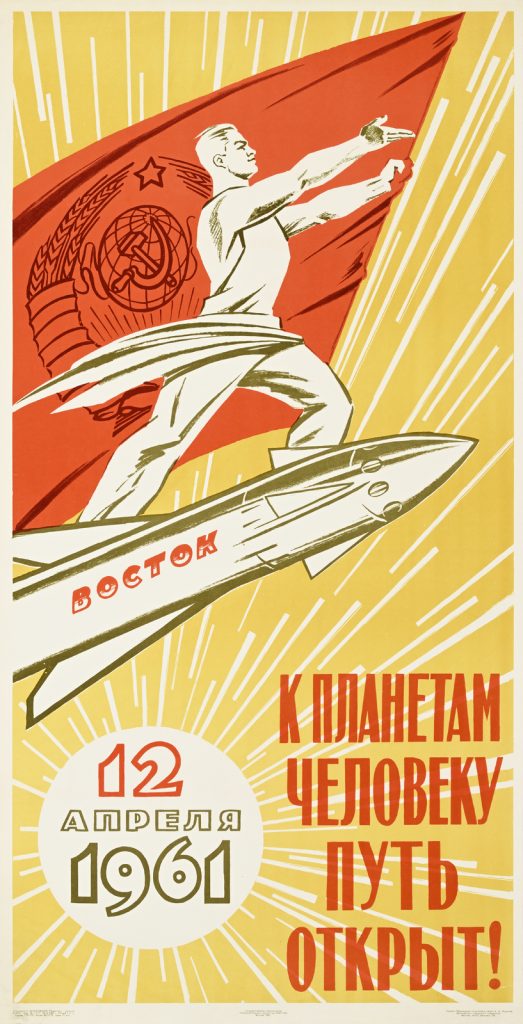
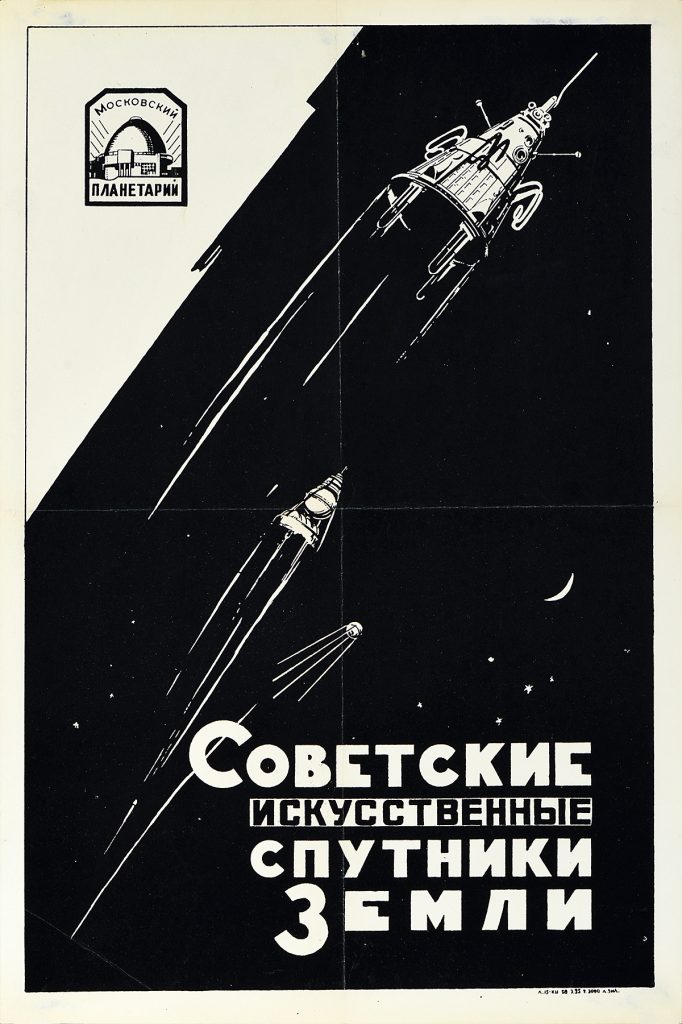
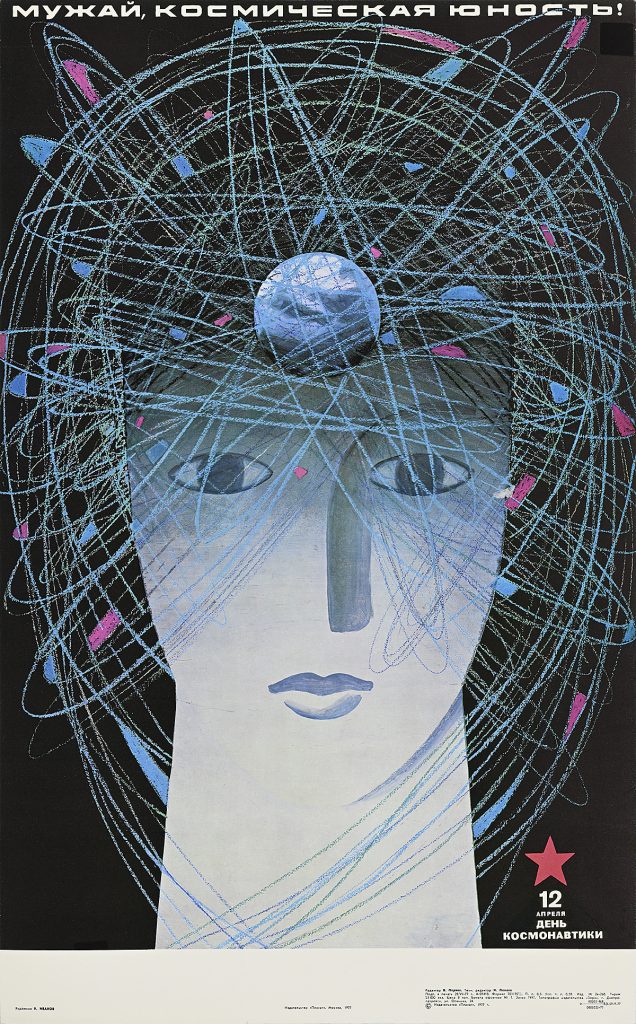
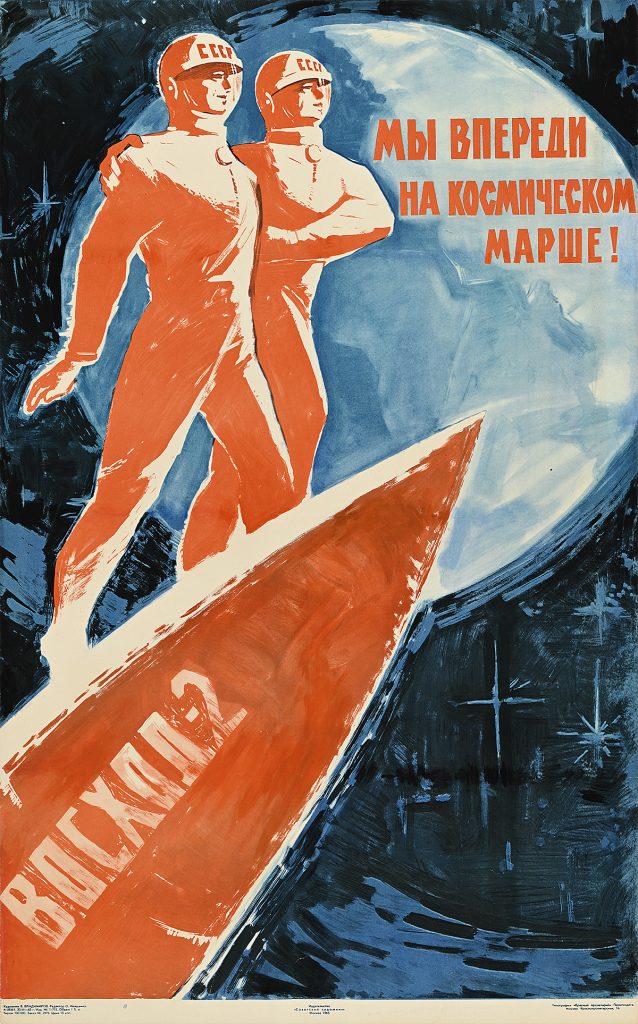
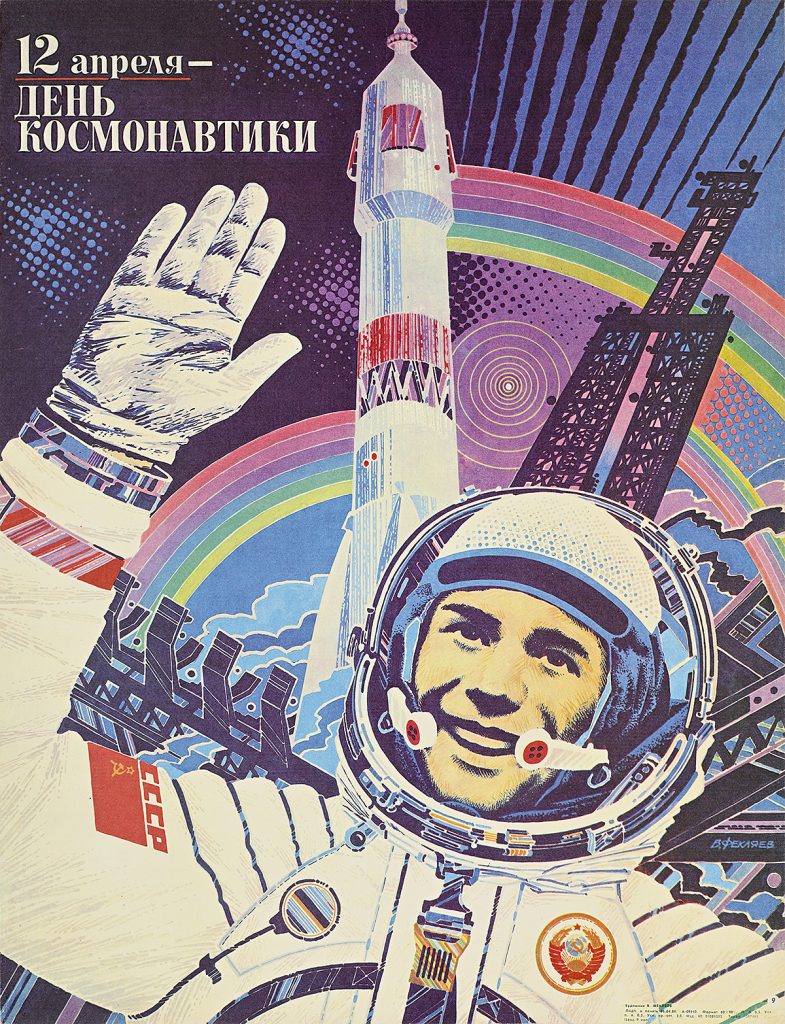
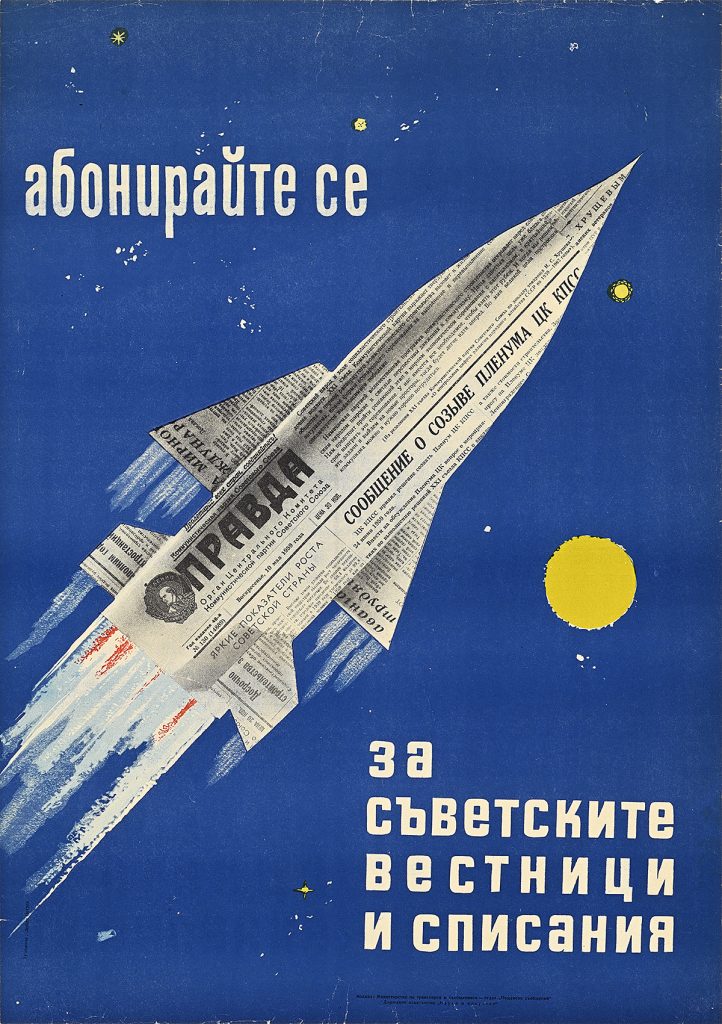
At the height of the Cold War, the Soviet Union sent rockets, capsules, animals, and humans into space, vying for achievements in a proxy war-turned-propaganda campaign against its American adversaries. Both sides viewed their space programs as avatars for their national interests and ideological strength. Americans rushed to keep up as Soviet efforts grew more ambitious. Early Russian victories led to a phenomenal sense of pride for the Communist government—and also greater challenges as it struggled to keep up with not only the United States, but with itself. Over time, the two nations would compete fiercely, attempt to work together, and finally head into entirely different orbits.
B.A. Van Sise FRGS is a photographic artist, author, and curator, primarily focused on the intersection between language and the visual form. Previously a journalist for the Village Voice and Newsday, he is also the author of Children of Grass: A Portrait of American Poetry with Mary-Louise Parker, Invited to Life: After the Holocaust, and On the National Language: the Poetry of America’s Endangered Tongues with DeLanna Studi and Crisosto Apache. His work has been featured in major solo exhibitions at the Center for Creative Photography, the Peabody Essex Museum, the Woody Guthrie Center, the Mulva Cultural Center, and the Skirball Cultural Center.
Selected Images