Sculpting Sound: Günther Kieser’s Music Posters

In 1949, Germany was officially split into two distinct countries: communist East Germany, under the authoritarian umbrella of the U.S.S.R., and democratic West Germany. As most American and British popular music had been banned under the Nazi regime as “degenerate,” its sudden mass availability in West Germany was both thrilling and slightly subversive for its citizens. Jazz in particular, with its promise of being a truly free and experimental medium, found avid fans in the country, among them a young Günther Kieser.
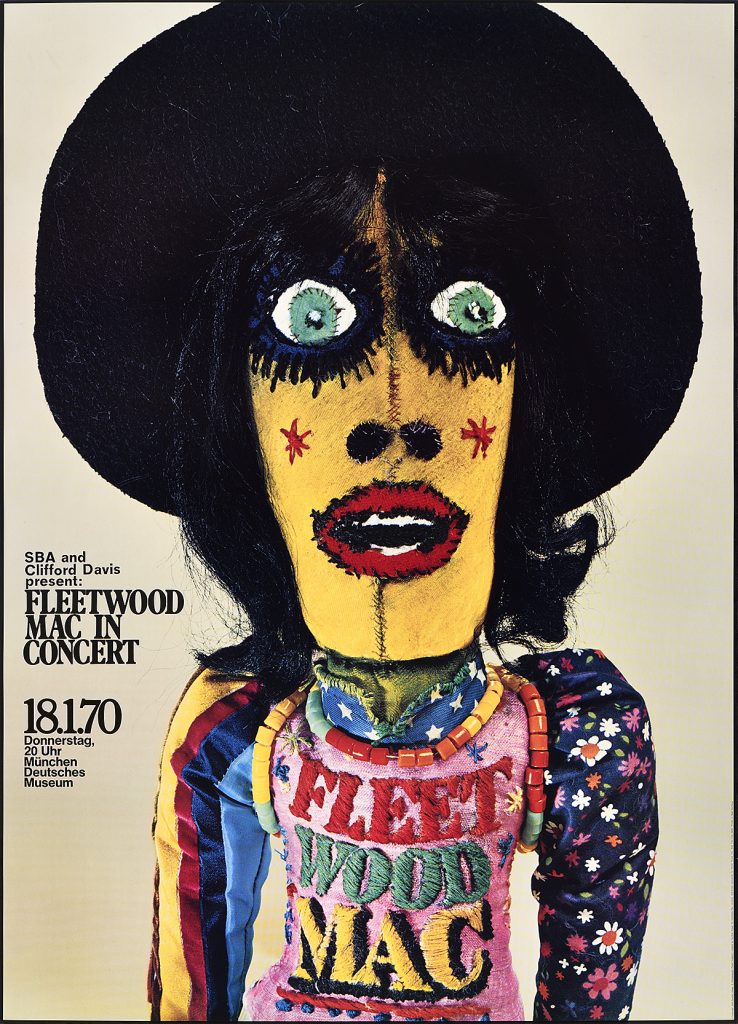
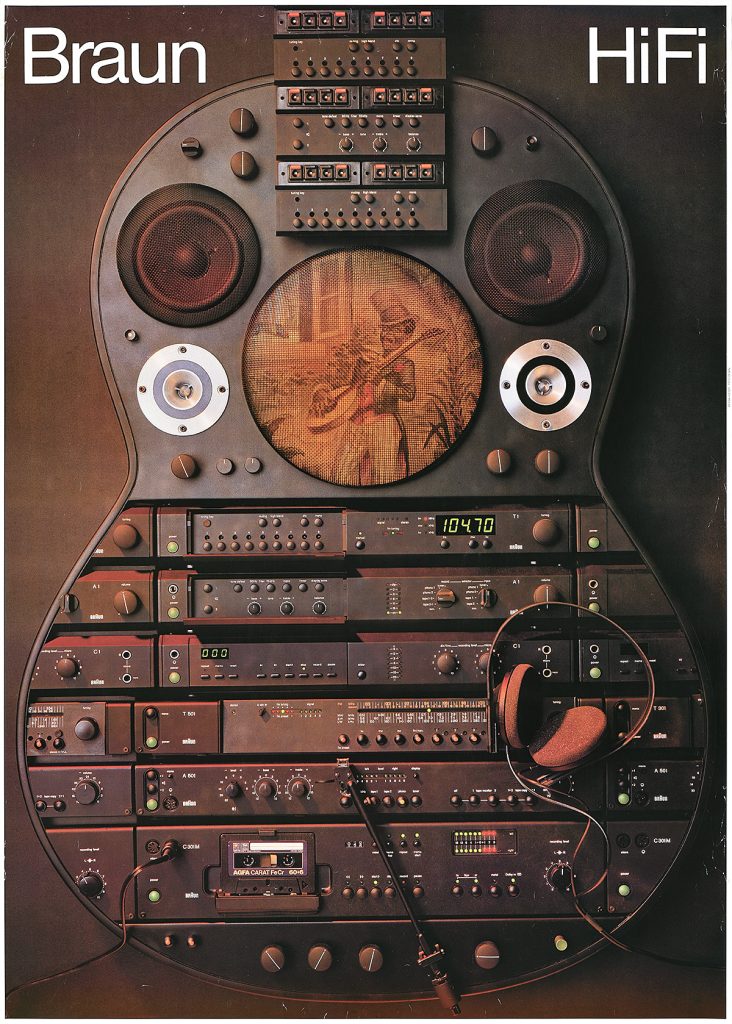
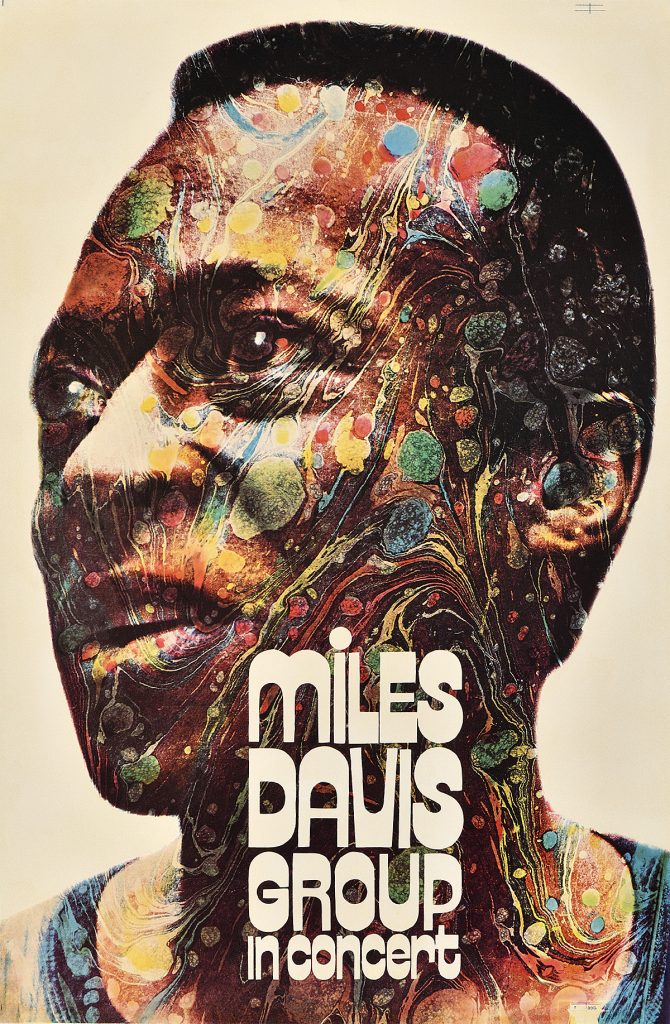
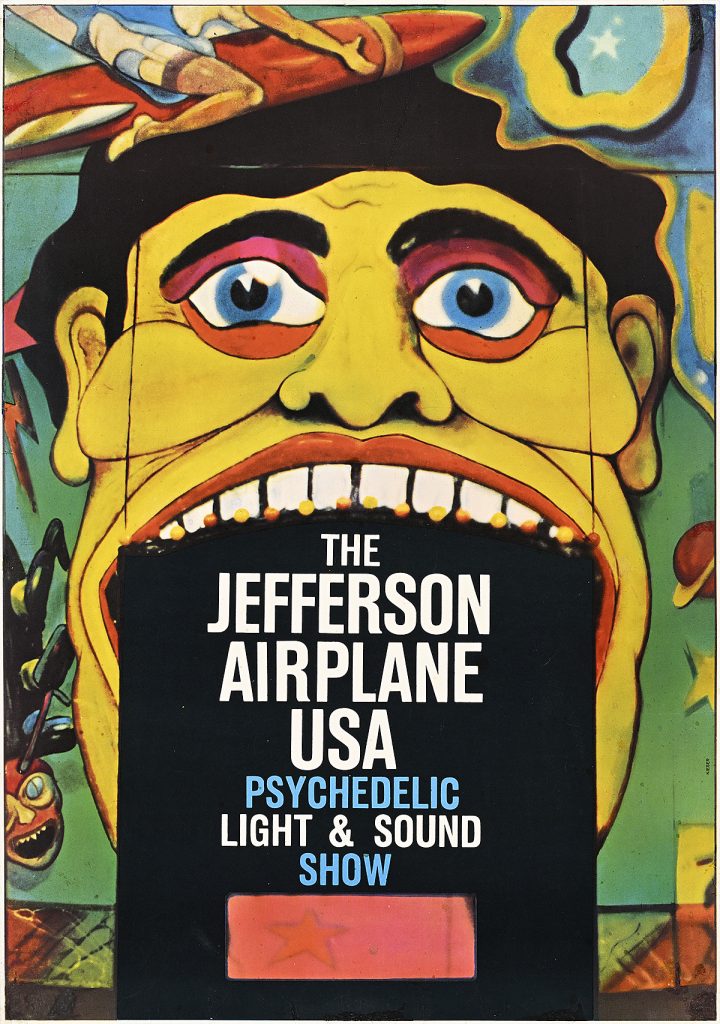
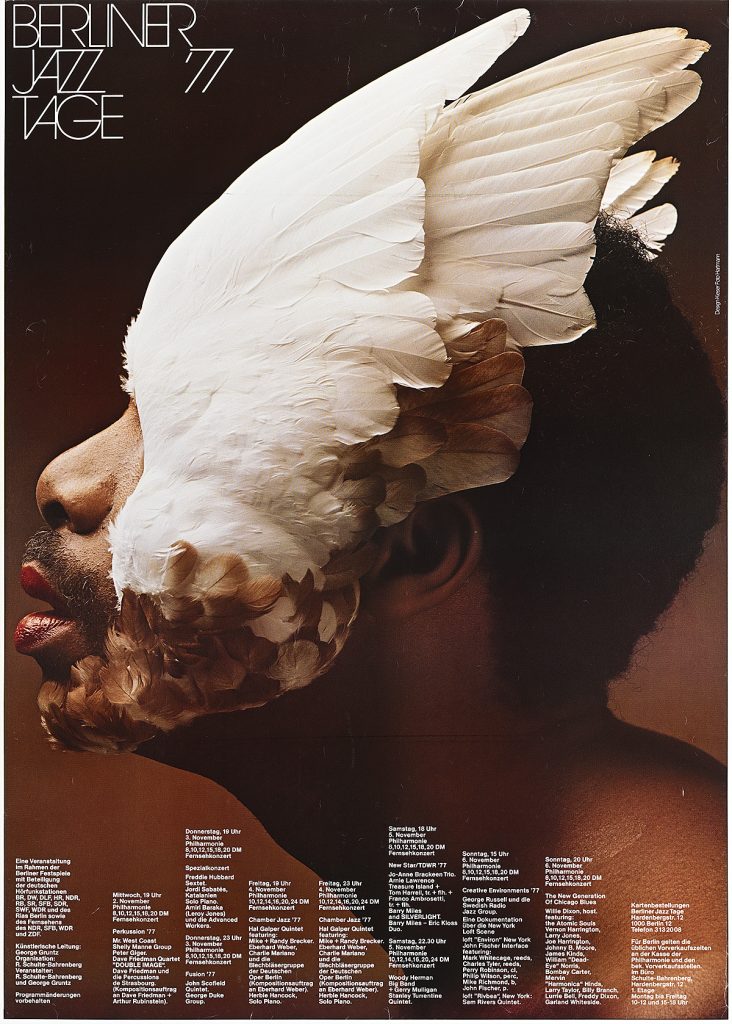
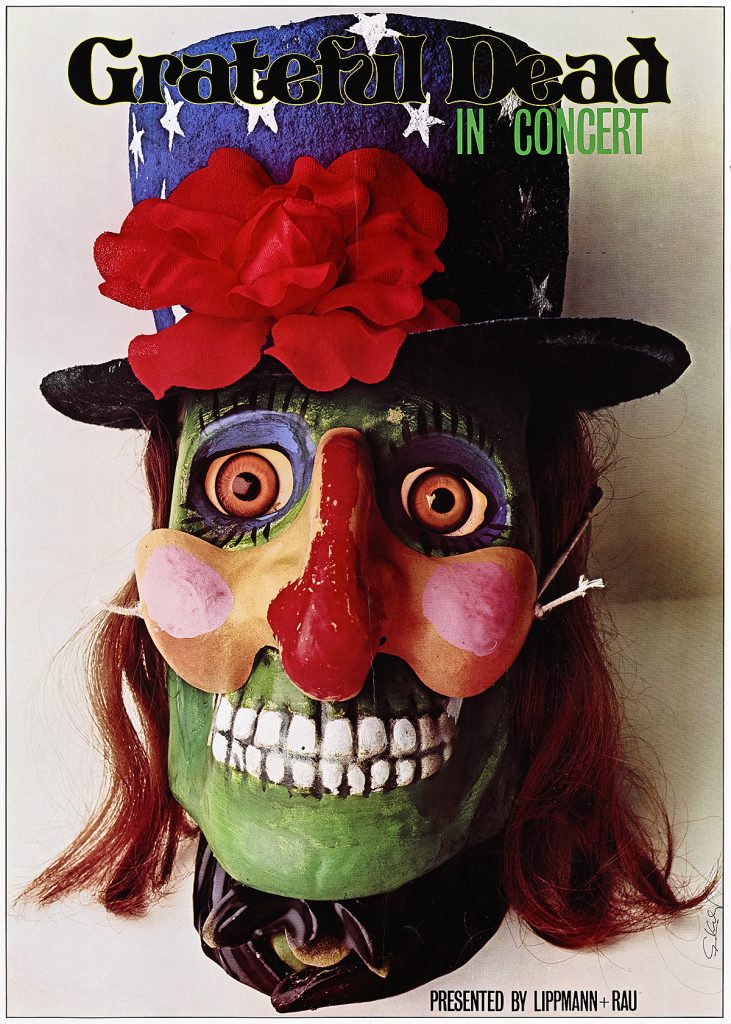
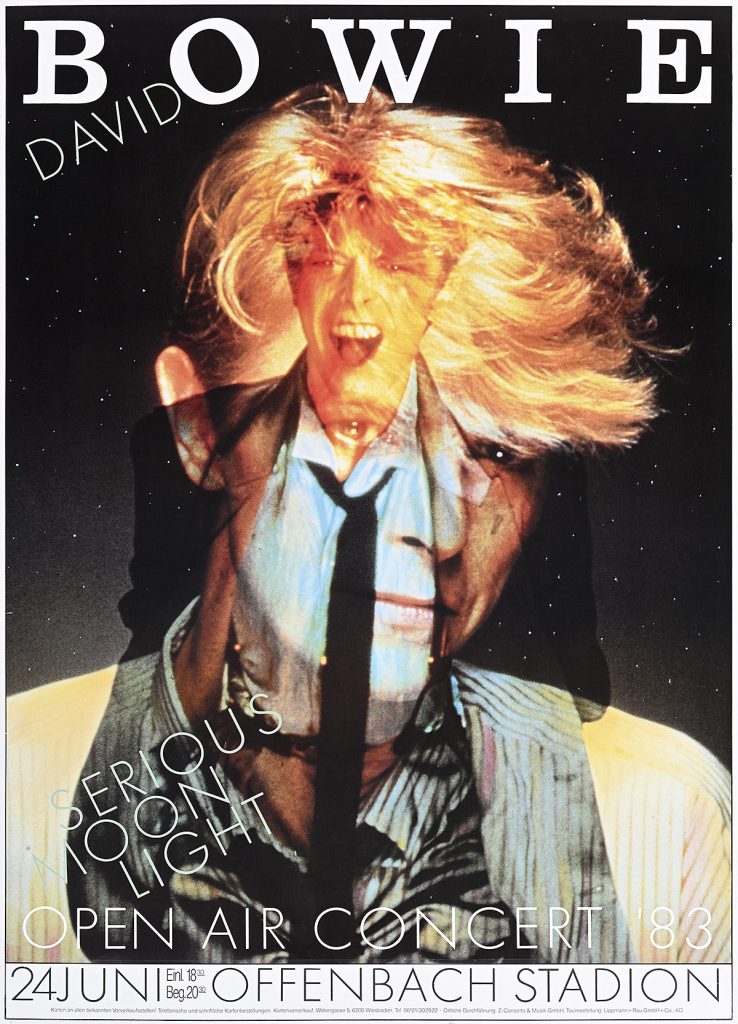
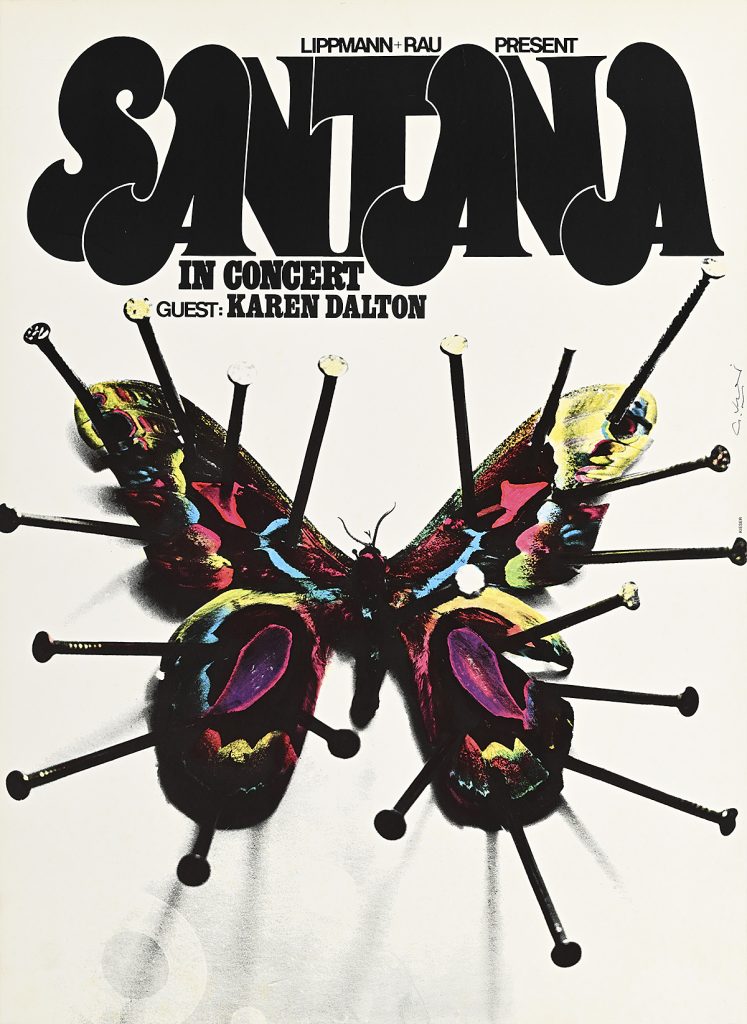
By the early 1950s, Kieser’s posters for this budding music scene were attracting attention. Many are based on illustration, embracing styles as disparate as psychedelic and modern minimalism; others highlight his abilities as a typographer. His most well-known, however, tap into his background as a sculptor’s apprentice and show him constructing three-dimensional models or collages that echo wider themes within a performer’s music. The results are wildly varied and look nothing like any other concert posters from the latter half of the 20th century.
While Kieser’s career spanned four decades and encompassed posters for a variety of clients, he is best known for those he made for musical events. Although his earliest posters were for jazz concerts, his posters for rock bands remain some of the most surprising and remarkable of the period, combining meticulously composed, physical elements with the nebulous, free-form, and abstract nature of music.
This exhibition will be accompanied by the first English-language book on the designer.
Selected Images